
Full Board Versus Half Board: Which Saves More?
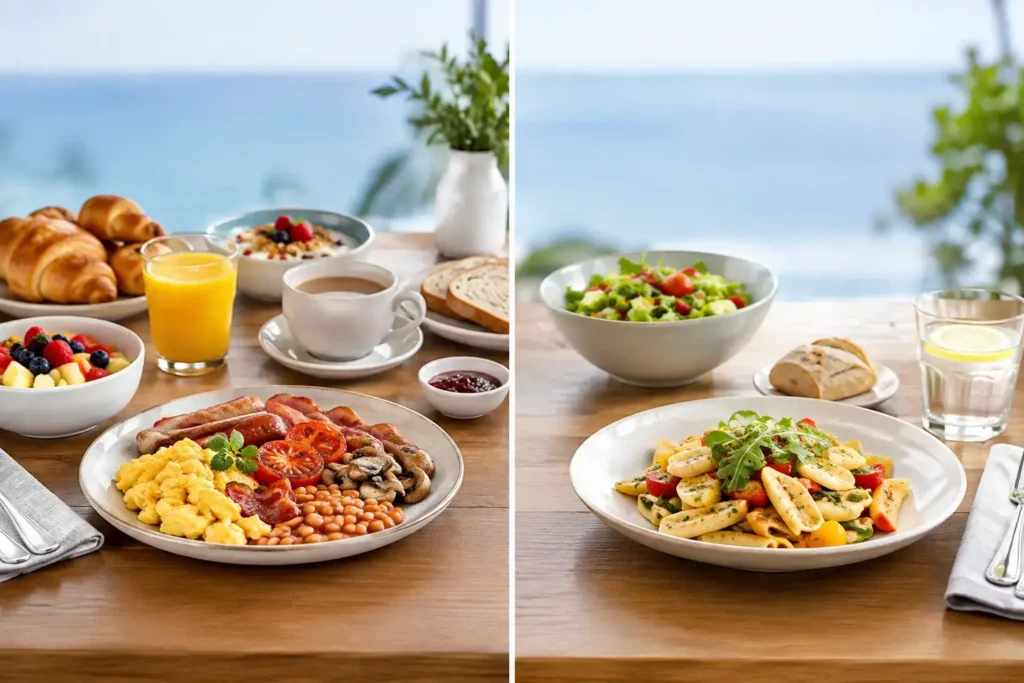
You have found a hotel you like, the flight times work, and the price looks right. Then one small choice can reshape the whole trip: full board versus half board. The difference is not just whether you eat lunch at the hotel. It affects your daily budget, your freedom to explore, and whether that great-looking resort deal still feels like good value once you arrive.
For beach breaks and resort stays, a meal plan can make travel simpler. But the cheapest rate is not always the best deal, and the most inclusive option is not always the smartest choice. Here is how to pick the board basis that fits the way you actually want to travel.
Full Board Versus Half Board: The Basic Difference
Half board usually includes breakfast and one additional meal, most often dinner. Some hotels offer breakfast and lunch instead, so always check the exact schedule before booking. Drinks outside breakfast are commonly extra, including water, soda, beer, wine, and cocktails.
Full board typically includes breakfast, lunch, and dinner. It is a strong option if you expect to spend most days at the hotel, by the pool, or on the beach directly nearby. Yet full board does not automatically mean all-inclusive. Alcoholic drinks, soft drinks, snacks between meal periods, minibar items, specialty restaurants, and room service may still cost extra.
That distinction matters. A full-board guest may have three meals covered but still pay for every drink. An all-inclusive guest generally has a broader food and beverage package, although even those plans can have limits on premium brands, late-night food, or à la carte dining.
Before you compare prices, ask the hotel or booking team what is included at each meal. Is there a buffet? Are drinks included with lunch and dinner? Are children’s menus available? Does the property have fixed dining times? Clear answers prevent surprises at checkout.
When Half Board Is the Better Vacation Choice
Half board works especially well for travelers who want an easy start and finish to the day without giving up their plans in between. Breakfast at the hotel means you can head out without hunting for coffee or calculating a morning food budget. Returning for dinner can be equally convenient after a day at the beach, sightseeing, or enjoying a guided activity.
It is often the better fit for couples, friends, and families who want to try local restaurants for lunch. Maybe you want fresh seafood at a marina, tapas after a city tour, or a casual beach café between swims. With half board, you are not paying for a midday hotel meal you are likely to miss.
This plan also suits activity-focused trips. A buggy tour, boat trip, water sports session, or full-day excursion can overlap with hotel lunch hours. If lunch is included but you are never on-site to use it, full board can become false economy.
There is one key question: will dinner at the hotel feel convenient or restrictive? If your accommodation is outside the main dining areas, a dependable evening meal can save money and hassle. If you are staying in a lively neighborhood full of restaurants you have been excited to try, you may prefer breakfast and lunch at the hotel instead, if that option is available.
When Full Board Can Be Worth the Extra Cost
Full board can be excellent value when your hotel is the center of the vacation. Think relaxed resort days, family pool time, a quieter coastal property, or a stay where nearby dining choices are limited or expensive. Three meals covered gives you a predictable daily spend, which can be a relief when traveling with kids or managing a group budget.
Families often find full board particularly practical. Children get hungry on their own timetable, and stopping for restaurant meals several times a day can add up quickly. Being able to return to the hotel for lunch, then eat dinner without another decision, creates a more relaxed rhythm. It also helps parents avoid constant snack and drink spending, although it is wise to check whether snacks are actually included.
Full board can also make sense during a short stay. If you only have two or three nights and mainly want to rest, enjoy the facilities, and spend time together, there is little reason to pay extra for dining flexibility you will not use. The value is in convenience as much as the meal cost.
Still, compare the upgrade price rather than assuming full board is a bargain. If the difference between half board and full board is modest, it may be worth it. If it adds a large amount per person per night, estimate what you would realistically spend on lunch outside the hotel. A light lunch, coffee, and snacks may cost far less than the daily upgrade.
A simple way to calculate it
Take the per-person, per-day difference between half board and full board. Then compare that figure with a realistic lunch budget, not the maximum you could spend at a tourist restaurant. Include whether you would eat a full lunch at all.
For example, if full board costs $28 more per adult each day and you normally plan a $15 casual lunch, half board may leave you with more money for experiences. If the upgrade costs $10 to $15 and the hotel lunch is varied, convenient, and includes nonalcoholic drinks, full board may be the better buy.
What Both Meal Plans Often Leave Out
The word “board” can make a package sound more inclusive than it is. Hotels have different rules, so never rely on labels alone. The most common extras are drinks with lunch and dinner, snacks between meals, premium dining venues, room service, minibar products, and food ordered after regular dining closes.
Some properties also have dress codes, reservation requirements for certain restaurants, or limited meal service on arrival and departure days. If your flight lands late, you may miss dinner. If you have an early transfer, breakfast may not be available. Ask whether a cold meal, packed breakfast, or late dining option is offered.
Dietary needs deserve the same attention. Travelers who need vegetarian, vegan, gluten-free, halal, allergy-aware, or child-friendly options should confirm what the hotel can provide before committing to a full-board plan. A meal plan only adds value if the food is something everyone in your party can comfortably enjoy.
Think About Location Before You Choose
Your hotel’s location should influence the decision as much as the menu. A resort in a self-contained area may make full board highly convenient. A hotel near a promenade, old town, beach clubs, or a busy restaurant district gives half-board guests plenty of worthwhile choices.
In Gran Canaria, for example, the best plan can vary by where you stay and how you fill your days. A resort-focused week may favor full board, while travelers mixing beach time with island tours, watersports, and evenings out may get more from half board. There is no universal winner because the right choice depends on your itinerary, not the hotel category.
For groups, coordination matters too. A shared breakfast and dinner can keep plans simple, while leaving lunch open for separate activities and preferences. That is one reason half board is often a comfortable middle ground for friends and multigenerational families.
Questions to Ask Before You Book
Before selecting a rate, confirm the meal schedule, restaurants included, drink policy, and whether reservations are needed. Check if the plan begins with dinner on arrival day and ends with breakfast on departure day. If you have excursions planned, ask whether the hotel can provide picnic lunches or whether you will lose that meal entirely.
Also look beyond the room rate. Factor in transfers, local dining prices, activities, and the convenience of having meals handled. Mysoov can help travelers compare the pieces of a trip so a package feels genuinely easy, not simply inexpensive at first glance.
The best board basis should support the vacation you want, whether that means lingering over a hotel lunch with the family or spending the day somewhere new and coming back for dinner. Choose the plan that leaves room in both your schedule and your budget for the moments you will remember.